
Most fountain pen mess comes from a few repeat causes, and once you spot them, they're easy to head off. A fountain pen holds liquid ink and moves it to the paper through the nib and a part underneath called the feed. Anything that leaves extra ink in the wrong place, or air in the wrong place, shows up on your fingers.
The biggest culprit is old ink and dried residue. When you switch colors without cleaning, the new ink mixes with the leftovers, and the pen can write dry, skip, or leak at the section. Water-resistant, pigmented, and shimmer inks leave more behind than regular dye inks, so they gum things up faster. If you use those, plan to clean more often.
Filling is the second big source. Dunking the whole nib and section deep into a bottle leaves ink all over the grip, and you'll feel it the moment you pick the pen up. A converter, like the Lamy Z28 Converter that fits Lamy pens such as the ABC and Safari, lets you draw ink from a bottle, but overfilling or skipping a wipe of the nib still leaves a smear. Loose cartridges are another trap. If a cartridge isn't pushed on fully or the section isn't screwed back snugly, ink can creep out at the threads.

Lamy Z28 Converter for Abc, Safari, and More
Easily transforms your Lamy fountain pens into a refillable system for endless writing enjoyment
Product information
Product Review Score
4.12 out of 5 stars
(31 reviews)Product links
Air and handling cause the rest. Opening a pen that still has ink in it while the nib points down can drip onto your desk or hand, so point the nib up when you unscrew it. Trapped air also expands when cabin pressure drops on a flight, which can push ink out of the nib. Retailers and hobbyist guides agree that carrying the pen nib-up helps and that an empty pen is the safest way to fly. They disagree on whether to fill the pen completely or only partly, so check what your pen's maker recommends.
How to Clean Your Pen Properly
Cleaning a cartridge or converter pen takes a few minutes and a sink. Unscrew the section from the barrel and pull out the cartridge or converter. Then hold the section under cool to lukewarm water until it runs clear, and dry it. Never use hot water. Lamy warns that heat may damage the feed.
Fountain Pen Cleaning Kit for Standard Nibs
Keep your fountain pen in top shape with this easy-to-use cleaning kit designed for standard nibs
Product information
Product Review Score
4.12 out of 5 stars
(182 reviews)Product links
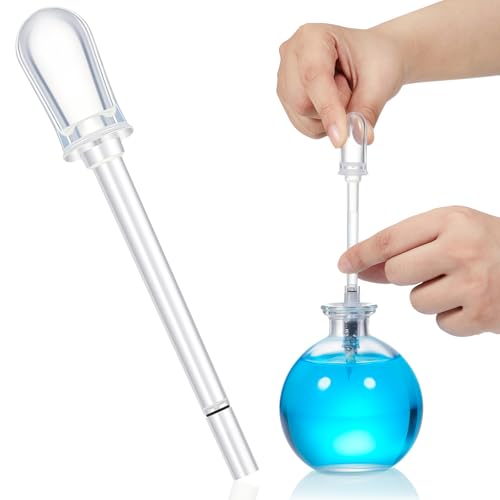
If your pen uses a converter, a spare one works as a rinse tool. Draw water up through the nib, push it out, and repeat until the water comes out clear. Clean the converter on its own too, since old ink hides in there. If you fill from bottles, the Ink Filling Syringe Set with Measurement and Blunt Tip can also push water through a section in a controlled way, though I'd check your pen's maker before using it on a delicate feed.
Piston pens work a little differently. Montblanc's method is to hold the pen over a glass of water and loosen the piston. Then put the nib in a second glass and tighten the piston. Repeat that 3 to 5 times until the water runs clear. Use clean, lukewarm water with no chemical products. Eyedropper pens are simpler: rinse the barrel until the water runs clear. If yours has a shut-off valve, pull the valve rod down first.
Dry the parts with a lint-free cloth or paper towel, and blow lightly through the nib assembly if you want to clear leftover water. Waterman suggests cleaning between every ink refill. For a clogged pen, soak the nib and section in cool water. Maker advice on timing varies, from about an hour or two up to overnight, so follow your pen's manual. Skip soap, alcohol, bleach, and strong household cleaners unless your maker okays them. Lamy and Pelikan both say to avoid soap, though some hobbyists add a single drop of dish soap and rinse well. Ammonia is a last resort for stubborn stains after plain water fails, and Pelikan's no-additives rule means you should leave it off those pens. If you do try it, the common mix is 1 part household ammonia to 10 parts water. Never mix ammonia with bleach, and keep it away from aluminum parts and older pens. Lamy also says not to use it with iron gall or shimmering inks.
Refilling With Bottled Ink or Cartridges
Fountain pens take ink in two main ways: a cartridge you swap in, or a converter you fill from a bottle. Cartridges are the cleaner option. You pull out the empty one, push the new one on until it seats fully, and screw the section back snugly. A pack like the Pilot Namiki IC-100 Ink Cartridge Refills in blue is listed as designed for Pilot Namiki pens that take IC-100 cartridges, so match the cartridge type to your pen before you buy spares. The Zebra Steel V-Refill Fountain Pen Ink is listed for Zebra's V-301 refillable pens, so the same rule applies there.
Bottled ink gives you more colors and usually costs less per fill, but it takes a little technique. Put a paper towel under your work area first. Then follow these steps with a converter:
- Twist the converter knob so the piston sits at the bottom.
- Dip only the nib opening into the ink, not the whole grip. Tilt the bottle if the ink level is low.
- Turn the knob slowly to draw ink up. Fast turns pull in air bubbles.
- Lift the pen out and wipe the nib and the front of the section with a tissue.
- Hold the pen nib-up and close the piston slowly, then clean the nib and forepart.
For the bottle itself, the Universal Fountain Pen Ink 30ml Colorful Refill Bottle is listed as a universal formula that works with most standard fountain pens, and it comes in a range of bright colors.

Universal Fountain Pen Ink 30ml Colorful Refill Bottle
A 30ml bottle of colorful universal ink that fits most fountain pens for everyday writing and calligraphy.
Product information
Product Review Score
4.74 out of 5 stars
(187 reviews)Product links
If you hate dipping, a syringe lets you skip the bottle dunk. The set includes six 10ml plastic syringes with blunt tip needles and measurement markings. Draw ink from the bottle into a syringe, then squeeze it into an empty cartridge or converter barrel. The needles are blunt, but keep your fingers behind the tip anyway, and store the set away from kids' reach.
One last habit pays off: write a few lines after every fill. The first stroke often shows whether ink is flowing evenly. If the pen skips, check that the cartridge is pushed on all the way before you blame the ink. And if you plan to fill with a new color, rinse first, since the cleaning section covers how.
What to Do When Ink Spills
Once ink hits skin or a surface, the clock matters more than the cleaner you grab. Blot first, don't wipe. Press a paper towel or a clean cloth onto the spill and lift straight up. Rubbing pushes dye sideways into fibers and makes the stain bigger. Swap to a fresh part of the towel each time until it stops picking up color.
For skin, cool running water and plain hand washing handle most fresh dye ink. Stains from pigmented or water-resistant inks can hang around for a day or two, so don't scrub hard. For hard surfaces like a sealed desk or a countertop, a damp cloth usually lifts fresh ink. Test any cleaner on a hidden corner first, because finishes vary. For fabric, rinse the stained spot from the back with cool water so the ink pushes out the way it came in, and check the care tag before trying anything stronger. Keep hot water away from the stain until you know it's gone, since heat can set some marks. Raw wood, paper, and leather soak ink fast, so blot and then check the maker's care advice for that material.
If ink spilled inside a pen case or a bag, pull everything out and lay it on paper towels. Wipe each pen with a dry cloth first, then a barely damp one. Open the case and let it air dry fully before you put pens back. Check any notebooks nearby, too. Thin paper marks easily, and a fountain pen friendly notebook like the Lochby Traveler's Notebook Refill, listed with 68gsm Tomoe River paper, is still paper, so keep it clear of spills while you clean up.
If the bottle tipped over, stand it up, cap it, and work from the outside of the puddle toward the middle so it doesn't spread. Wear disposable gloves if you have them. Keep a roll of paper towels and a small tray near your desk whenever you refill, because a tray catches the next spill before it reaches the table. Once the mess is gone, wash your hands and any tools you used, then rinse your pen if ink got into the section.


